Guest Post by Brenda McMahon
The second of the five Niyamas, santosa is most commonly translated as “contentment.”
That is, acceptance of what is, without judgment or desires of what you would like it to be. To practice Santosa is to practice the perfection of every moment, no matter how difficult or uncomfortable. It means being happy with what we have rather than being unhappy about what we don’t have.
The more we contemplate Santosa, the more we find what I would call unconscious discontentment in our society. How often do we hear, ‘it’s a lousy day’ when it’s raining; or ‘it’s cold & miserable’ on a January winter’s day. To practice santosa, is to be joyful for the rain – remembering that rain brings flowers. And to remind ourselves that the quiet of a cold winter’s day offers time to slow down and reflect in a way we don’t do as easily on a warm spring day.
We can find examples throughout our lives when we begin to listen. “Oh, I’m so sorry your feeling sad” or “I’m so mad he is running late”. If we were to accept these experiences as facts and not attach emotion to them, they would simply be events. I am feeling sad. He is running late. Sadness is a reminder of our need to recalibrate; to change what is not working in order to come back into alignment. If he is running late, it provides an opportunity to sit quietly and listen to the stillness of the day; or perhaps his lateness is happening because there is an accident on the road he is meant to avoid – and his lateness is his protection.
Accepting what is allows us to view the world as facts – unattached by emotion. It allows us to be in flow with the rhythm, rather then in resistance to rhythm. Buddha says ‘attachment is the key to suffering’. When we stop defining events with emotion, and simply watch them, even when they are difficult, we can move through them more easily with a greater sense of contentment.
Santosa is the road to peacefulness. When we accept what is, we are at peace. When we resist what is, we enter pain & suffering.
If you are reading this you may be finding yourself somewhere deep in pain of change and an unknown future. Your home may be in upheaval; your finances unknown; your daily rhythms interrupted. This may feel overwhelming when you see it in comparison to what you knew life to be.
Perhaps you can take this opportunity to see these changes as opportunities and explorations. Observe the emotion, but don’t attach to it. You can feel sad, but that does not mean YOU are sad. You can feel insecure, but it does not mean your life is not secure. The unknown of dramatic transition can be a scary ride, but it can also be exhilarating. People pay good money to be scared – in movies, amusement parks. Exhilaration is the flip side of fear. Think about ‘how’ you’re taking this ride down this new path of your life. It is a journey for which you have been selected – so instead of resisting that it is occurring – ride it and see where it takes you. Try not to judge it as good or bad. It is just new. To be without judgment is to be content with what is – even in the midst of chaos. This is Santosa and it is where real peace begins.

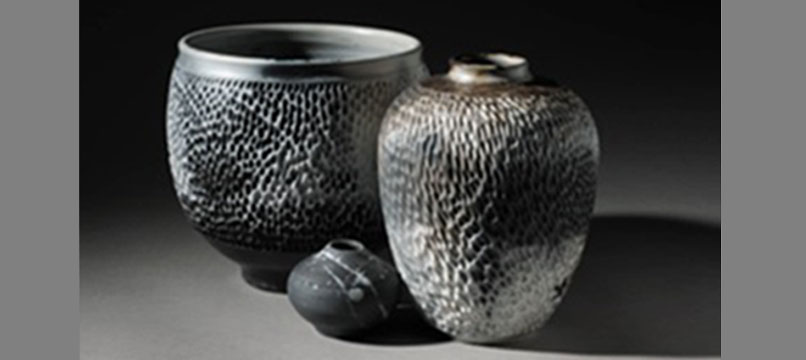
Brenda McMahon is a full-time Ceramic Artist traveling nationally & internationally showing her artwork and teaching clay workshops. She creates meditative porcelain vessels and Yoga Oms in her private studio. Brenda is a passionate student of metaphysics and has been a Yogi for 10 years.
Find out if coaching is right for you. Take a quick survey and see if you are ready to make a positive and lasting change in your life. Click here to begin.