“Let us forgive each other – only then will we live in peace” – Leo Nicolaevich Tolstoy
For whom do we forgive? When you think about forgiving someone, is it to release them or to release yourself? Many people think of forgiveness as something that they do ‘to’ the other person. For instance, “I will forgive you for what you did.”
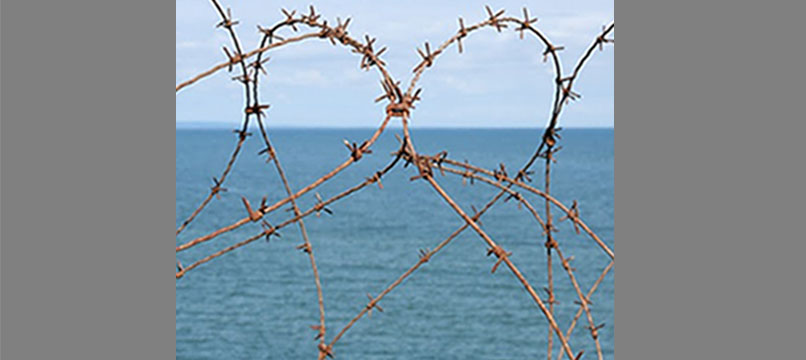
What happens to us when we don’t forgive? We feel resentment, anger, hurt and pain. Our resentments are the ties that bind us to pain and bitterness. Forgiveness, on the other hand, is the act of cutting those ties. When we choose to be unforgiving we are making a conscious choice to remain in angst. We end up hurting ourselves, not the other person. In fact, the person that wronged us may not even be aware of our angry feelings.
Resentment is like a glass of poison that a man drinks; then he sits down and waits for his enemy to die. – Unknown
What does it mean to forgive? It does NOT mean to accept inappropriate behavior. It does NOT mean to forget what has been done to you. It does NOT mean to blindly trust that person again. What it means is to cease to feel resentment, to release yourself from angst. Only then can you begin the process of healing yourself and perhaps your relationship with the other person.
“To forgive is to set a prisoner free and discover that the prisoner was you.”– Louis B. Smedes
Who do you need to forgive this holiday? What would it be like to release yourself from anger and resentment? How might forgiveness enable you to celebrate the Christmas holiday with more peace and joy?